
Introduction
Glass furnaces operate under extreme thermal conditions and require reliable refractory materials to ensure long service life and stable production. Fused Silica B Grade is widely used in glass furnace repair and maintenance, especially in non-critical hot zones where excellent thermal shock resistance and low thermal expansion are required at a competitive cost.
This article explains the key properties, applications, and advantages of Fused Silica B Grade in glass furnace repair.
What Is Fused Silica B Grade?
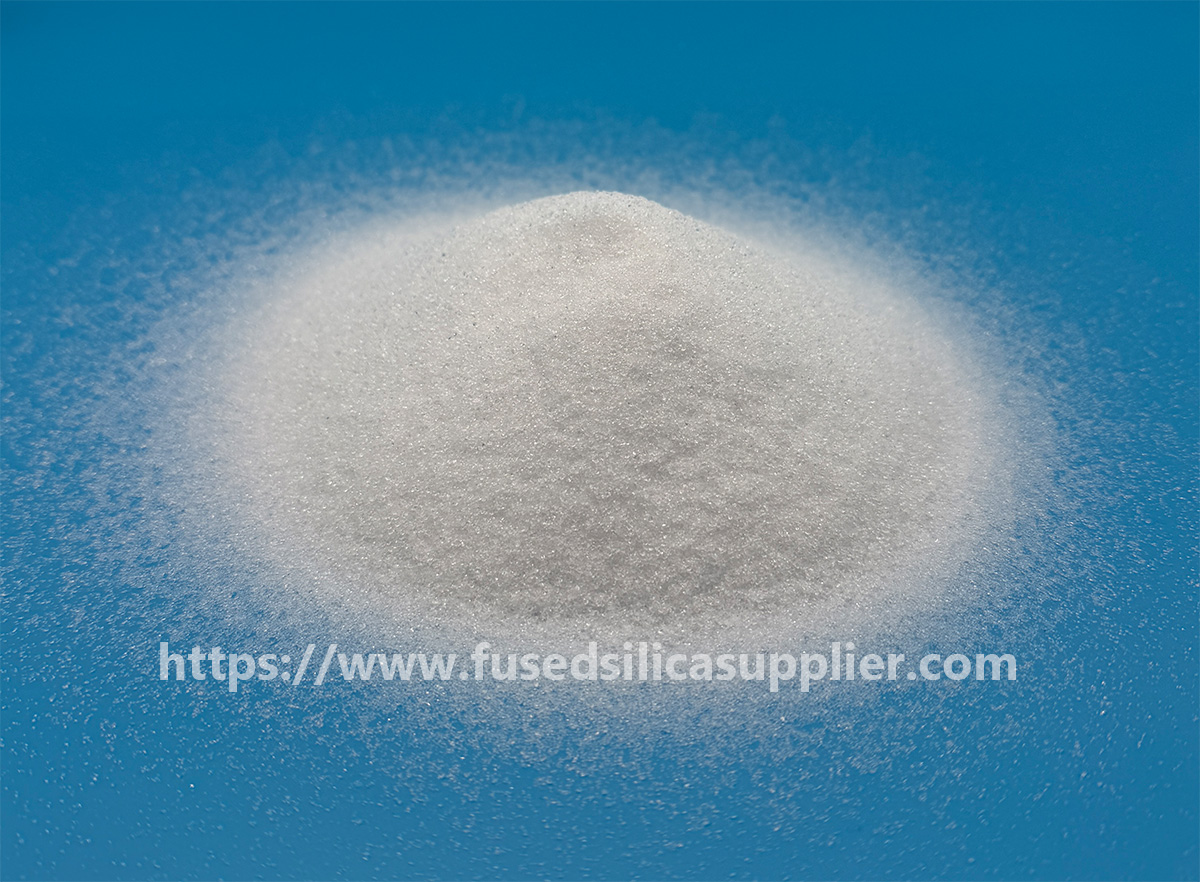
Fused Silica B Grade is a refined silica material produced by melting high-purity quartz sand and rapidly cooling it into an amorphous structure. Compared with A Grade fused silica, B Grade allows slightly higher impurity levels while maintaining excellent thermal and chemical performance, making it ideal for repair and maintenance applications.
Typical Characteristics:
- SiO₂ content: approx. 99.3%–99.6%
- Extremely low thermal expansion
- High thermal shock resistance
- Good resistance to molten glass corrosion
- Stable performance under repeated heating cycles
Key Advantages for Glass Furnace Repair
1. Low Thermal Expansion
Fused Silica B Grade has one of the lowest thermal expansion coefficients among refractory materials, minimizing cracking during rapid heating and cooling in repair zones.
2. Excellent Thermal Shock Resistance
During furnace repair, materials are often exposed to sudden temperature changes. Fused silica withstands these conditions without spalling or structural damage.
3. Good Corrosion Resistance to Molten Glass
It shows strong resistance to alkali vapors and molten glass, reducing contamination risks and extending furnace life.
4. Cost-Effective Solution
Compared with ultra-high-purity grades, B Grade offers a balanced solution between performance and cost, making it suitable for large-area repairs and routine maintenance.
Typical Applications in Glass Furnace Repair

Fused Silica B Grade is commonly used in the following glass furnace repair areas:
- Sidewall repair and patching
- Crown and superstructure maintenance
- Breast wall and doghouse repairs
- Port neck and burner block surroundings
- Emergency hot repairs and cold repairs
It is suitable for ramming mass, castable, dry mix, and patching compounds, depending on the repair method.
Recommended Forms and Grain Sizes
Fused Silica B Grade can be supplied in multiple forms to meet different repair requirements:
- Powder (−200 mesh) for repair mortars and coatings
- Fine grains (0–1 mm) for dense patching materials
- Coarse grains (1–3 mm / 3–5 mm) for ramming and castable mixes
Custom particle size distribution is available based on customer formulation needs.
Installation Notes for Glass Furnace Repair
- Ensure the repair area is clean and free from loose refractory
- Control moisture content during mixing
- Apply gradual heating during initial startup
- Avoid prolonged exposure above 1650°C, depending on furnace design
Proper installation significantly improves service life and performance.
Conclusion
Fused Silica B Grade is a proven and reliable material for glass furnace repair applications, offering excellent thermal shock resistance, low expansion, and strong corrosion resistance at an economical cost. It is widely used by glass manufacturers for routine maintenance, hot repairs, and emergency repairs to ensure continuous furnace operation and reduced downtime.
For customized specifications, grain sizes, or repair formulations, Fused Silica B Grade can be tailored to meet your specific glass furnace requirements.